لوحة الصوت الخاصة بك
 الرئيسية
 جديد
جديد Topics
 الشائع
 الأكثر شهرة
 أنمي ومانغا
 ألعاب
ألعاب ميمز
ميمز أفلام
أفلام موسيقى
 سياسة
سياسة مقالب
مقالب ردود الفعل
 تأثيرات صوتية
 رياضة
رياضة التلفاز
 اتجاهات تيك توك
 فيرال
فيرال ملفات صوتية واتساب
 شروط الاستخدام
 سياسة الخصوصية
 سياسة حقوق النشر DMCA
 اتصل بنا
 من نحن
Prank Power: Mastering the Art of Audio Deception
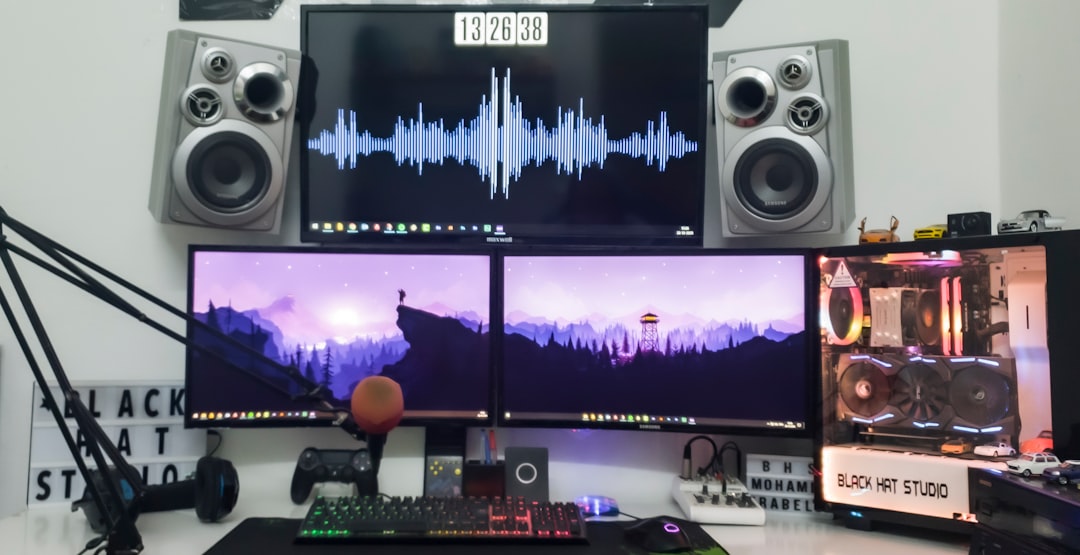
Discover how sounds like the 'Rickroll LOUD' and 'Fart with more reverb' are expertly used to create hilarious pranks and unexpected comedic moments, offering creators tips for maximum impact.
In the realm of digital content, pranks and comedic deception hold a special place, and audio plays a crucial role in their execution. The element of surprise, the sudden shift in expectation, and the resulting burst of laughter are often orchestrated by perfectly timed sound effects. From the infamous Rickroll LOUD that has tricked millions to the absurdly amplified Fart with more reverb, these sounds are not just funny; they are strategic tools for engaging audiences and creating memorable, shareable moments. This article explores five such prank-centric audio snippets, dissecting their psychological impact, cultural significance, and offering creators actionable advice on how to master the art of audio deception for viral success.
About this sound
The Rickroll LOUD is a modern twist on the classic internet prank, amplifying the unexpected appearance of Rick Astley's 'Never Gonna Give You Up' with a jarringly loud volume. Its virality is legendary, rooted in the element of surprise and the universal recognition of the song. This sound is a masterclass in subverting expectations, leading the audience to believe they are about to see one thing, only to be hit with an undeniable, loud dose of nostalgia and playful annoyance. It shares a similar spirit of playful deception with A- L Baile Troleo, both designed to trick and entertain.
Creators deploy the Rickroll LOUD to prank unsuspecting viewers, often embedding it in seemingly unrelated content or disguised links. The 'LOUD' aspect enhances the prank, making it impossible to ignore and eliciting a stronger, more immediate reaction. It's a powerful tool for creators who enjoy playful trolling and want to create highly shareable, memorable moments of comedic frustration. The sound works by leveraging cultural familiarity and the element of surprise to create a universally understood comedic beat, much like the unexpected jolt of Vine Boom Meme Sound, but with a musical twist.
- Embed in a misleading link for a classic prank.
- Use as a sudden, loud jump scare in a video.
- Integrate into compilations of internet pranks.
- Pair with a visual of someone looking confused or annoyed.
A: A prank involving tricking someone into watching Rick Astley's 'Never Gonna Give You Up'.
A: The increased volume amplifies the surprise and comedic impact of the prank.
A: The song itself is widely recognized, triggering a sense of familiar, playful annoyance.
About this sound
The sound CHUPENSE LA PLATA, which roughly translates to 'Suck on the money' or 'Eat the money' (implying a defiant or boastful act of having money), is a bold and assertive declaration that has found its niche in meme culture. Its virality stems from its strong, almost confrontational tone, making it ideal for moments of playful defiance, showing off, or comedic mic drops. It's a sound that communicates a sense of unapologetic confidence or a triumphant, albeit often ironic, display of wealth or success. It shares a similar assertive quality with the Rich laugh, both used to punctuate moments of perceived superiority.
Creators employ CHUPENSE LA PLATA to punctuate moments where a character is being playfully boastful, defiant, or has just achieved a minor, often ironic, victory. It's frequently used in comedic skits, reaction videos to unexpected windfalls, or gaming clips where a player makes a particularly flashy move. The sound's strong vocal delivery ensures that the audience immediately understands the assertive and often humorous intent. It's an excellent choice for creators looking to add a touch of bold, unapologetic humor to their content, often used to emphasize a moment of playful arrogance, much like the dramatic flair of Evil anderdingus when used for a mischievous reveal.
- Punctuate a character's boastful statement.
- Integrate into comedic skits for a defiant mic drop.
- Pair with a visual of someone showing off a new item.
- Add to gaming clips after a particularly impressive play.
A: Roughly 'Suck on the money,' implying defiance or boastfulness.
A: Its strong, confrontational tone asserts a sense of unapologetic self-assurance.
A: No, it's often used ironically for playful boasting or minor victories.
About this sound
The Evil anderdingus sound is a short, ominous, and somewhat unsettling audio clip that instantly signals mischief, impending doom, or a playful villainous presence. Its virality stems from its ability to quickly establish a mood of suspense or comedic menace, making it a versatile tool for pranks, dramatic reveals, and character introductions. This sound is perfect for moments where a subtle hint of something sinister or playfully bad is needed, much like the dramatic build-up before a Rickroll LOUD, but with a more atmospheric quality.
Creators employ Evil anderdingus to add a layer of playful menace or dramatic tension to their content. It's frequently used in comedic skits to introduce a mischievous character, in prank videos to build suspense before the reveal, or in short-form horror parodies. The sound's eerie quality ensures that the audience immediately feels a shift in atmosphere, making it an effective tool for emotional manipulation and engagement. It's an excellent choice for creators looking to inject a touch of dark humor or a subtle sense of foreboding into their videos, contrasting with the more overt comedic sounds like Fart with more reverb.
- Introduce a mischievous character in a skit.
- Build suspense before a prank reveal.
- Use as background for a lighthearted horror parody.
- Pair with a visual of something subtly unsettling.
A: Mischief, impending doom, or playful villainy.
A: No, it's often used for comedic menace or lighthearted suspense.
A: Its ominous quality creates a sense of foreboding, making viewers anticipate what's next.
4. Pop sound
About this sound
The generic Pop sound is a deceptively simple yet incredibly versatile sound effect that has become a staple in digital content creation. Its virality stems from its clean, crisp, and universally recognizable quality, making it perfect for punctuating quick actions, visual effects, or comedic beats. This sound is the auditory equivalent of a visual 'ding' or a sudden appearance, often used to highlight a specific element or to add a satisfying auditory feedback to an action. It shares a similar immediate impact with the Vine Boom Meme Sound, both used for quick, impactful emphasis, but with a lighter tone.
Creators employ the Pop sound to add clarity and emphasis to various visual elements. It's frequently used when text appears on screen, an item is clicked, or a quick animation plays out. The sound's clean transient makes it ideal for syncing with precise visual cues, enhancing the overall professional feel and engagement of the content. It's an excellent choice for creators looking to add subtle yet effective auditory feedback to their videos, making actions feel more responsive and satisfying. It's a foundational sound effect that can elevate the production quality of almost any video, much like the subtle yet effective HayDay Pop sound.
- Sync with on-screen text or graphic reveals.
- Use for button clicks or UI interactions in tutorials.
- Integrate into quick, snappy visual transitions.
- Pair with a visual of an item appearing or disappearing.
A: To punctuate quick actions, visual effects, or comedic beats.
A: It provides clear auditory feedback, making actions feel more responsive and satisfying.
A: Its versatility makes it applicable to almost any genre, from educational to comedic.
5. HayDay Pop
About this sound
The HayDay Pop sound, originating from the popular mobile farming game Hay Day, is a cheerful and satisfying audio cue that signals a successful action or a positive event. Its virality stems from its association with accomplishment and reward within the game, translating into a universally understood sound of success or completion in meme culture. This sound is perfect for moments where a subtle, positive affirmation is needed, much like the satisfying feedback of a generic Pop sound, but with a distinct, recognizable game-specific charm.
Creators employ HayDay Pop to punctuate moments of success, completion, or a satisfying outcome in their content. It's frequently used in gaming videos when a task is finished, in vlogs when a goal is achieved, or in comedic skits where a character successfully, often ironically, completes a minor objective. The sound's lighthearted and rewarding quality ensures that the audience feels a sense of shared accomplishment, making it an effective tool for positive reinforcement and engagement. It's an excellent choice for creators looking to add a touch of cheerful affirmation to their videos, contrasting with the more disruptive sounds like Fart with more reverb.
- Sync with a task completion in a gaming video.
- Use in vlogs when achieving a small goal.
- Integrate into comedic skits for ironic success.
- Pair with a visual of a checkmark or a 'mission complete' graphic.
A: A successful action, completion, or a positive event.
A: It originates from the mobile game Hay Day.
A: Its cheerful and rewarding quality evokes a sense of accomplishment and satisfaction.