لوحة الصوت الخاصة بك
 الرئيسية
 جديد
جديد Topics
 الشائع
 الأكثر شهرة
 أنمي ومانغا
 ألعاب
ألعاب ميمز
ميمز أفلام
أفلام موسيقى
 سياسة
سياسة مقالب
مقالب ردود الفعل
 تأثيرات صوتية
 رياضة
رياضة التلفاز
 اتجاهات تيك توك
 فيرال
فيرال ملفات صوتية واتساب
 شروط الاستخدام
 سياسة الخصوصية
 سياسة حقوق النشر DMCA
 اتصل بنا
 من نحن
Decoding Digital Laughter: The Anatomy of Viral Meme Sounds
In the fast-paced world of digital content, a well-placed soundbite can be the difference between a scroll and a share.
In the fast-paced world of digital content, a well-placed soundbite can be the difference between a scroll and a share. From the nostalgic glitches of operating systems to the powerful shouts of anime heroes, meme sounds are the sonic backbone of viral trends. This article dives deep into five iconic audio snippets that have captured the internet's attention, exploring their origins, cultural impact, and offering strategic advice for creators looking to harness their algorithmic power. Get ready to amplify your content by understanding the psychology behind these auditory triggers.
About this sound
This iconic soundbite originates from the animated sitcom Family Guy, featuring Peter Griffin's exasperated and often inappropriate outbursts. It gained massive traction on platforms like TikTok and YouTube, often used to punctuate moments of comedic frustration or mock perceived foolishness. Its virality is deeply tied to the character's established persona and the show's widespread cultural impact, making it instantly recognizable. It often pairs well with the chaotic energy of sounds like Ena - divestment or the dramatic flair of kamehameha wave.
Creators deploy this sound to add a layer of exaggerated annoyance or playful insult to their content. It's particularly effective in reaction videos, sketch comedy, or when highlighting absurd situations. The abruptness of Peter's voice creates a strong comedic beat, often used as a punchline or to underscore a character's blunder. Its versatility allows it to fit into various meme formats, from short-form video reactions to longer comedic compilations, making it a staple in digital humor. The sound's impact is in its immediate recognition and the inherent humor of Peter Griffin's delivery. For even more impact, consider combining it with the unexpectedness of Windows XP Error sound (download) or the classic digital disruption of yell kungfu.
- \n
- Sync with a sudden visual cut for maximum impact. \n
- Use as a comedic punctuation mark after a failed attempt. \n
- Combine with slow-motion visuals for dramatic irony. \n
- Integrate into a compilation of 'facepalm' moments. \n
A: It comes from the animated TV show Family Guy, spoken by the character Peter Griffin.
A: It's used to express comedic frustration, mock foolishness, or as a punchline in reaction videos.
A: Yes, it's widely used in meme culture for comedic purposes, but be mindful of context.
About this sound
The 'Ena - divestment' sound originates from the surrealist animated web series 'Ena' by Joel G. Known for its distinct, often unsettling visual style and unique sound design, Ena has cultivated a dedicated cult following. This specific sound, with its abstract and somewhat melancholic tone, is often used to evoke a sense of confusion, existential dread, or a glitch in reality. Its appeal lies in its niche, artistic origins and its ability to instantly transport viewers into Ena's bizarre world, much like the unexpected turns in Peter Griffin: YOU STUPID NI or the classic digital disruption of kamehameha wave.
Creators utilize 'Ena - divestment' to add an avant-garde or unsettling atmosphere to their videos. It's perfect for content that aims for a surreal, dreamlike, or even slightly creepy aesthetic. The sound's abstract nature makes it highly adaptable for introspective edits, artistic montages, or as a subtle background element in videos exploring themes of digital alienation or glitch art. Its unique sonic signature helps content stand out in a crowded feed, appealing to audiences who appreciate experimental and unconventional media. For a contrasting effect, consider pairing it with the energetic Windows XP Error sound (download) or the iconic power of yell kungfu.
- \n
- Use as an eerie background for abstract animation. \n
- Combine with visual glitches for a 'broken reality' effect. \n
- Place before a jump scare for a subtle build-up of tension. \n
- Loop subtly under a monologue about existential themes. \n
A: It's from the surrealist animated web series 'Ena' by Joel G.
A: It typically evokes confusion, surrealism, existential dread, or a glitchy atmosphere.
A: It has a significant cult following due to its unique artistic style and storytelling.
About this sound
The 'kamehameha wave' sound is instantly recognizable from the legendary anime series Dragon Ball Z. It's the signature energy attack of protagonist Goku and other Saiyans, accompanied by a powerful vocal chant. This sound has transcended anime fandom, becoming a universal symbol of concentrated power, epic battles, and dramatic energy release. Its enduring popularity stems from the show's global influence and the sheer intensity of the sound effect itself, often used alongside other powerful sound effects like Peter Griffin: YOU STUPID NI or even the unexpected chaos of Ena - divestment.
Creators use the 'kamehameha wave' sound to inject a sense of epic power and dramatic flair into their content. It's perfect for showcasing impressive feats, comedic exaggerations of strength, or as a build-up to a powerful reveal. The sound's iconic status means it instantly communicates a sense of 'charging up' or unleashing a formidable force, making it highly effective in gaming montages, fitness transformation videos, or any content requiring an impactful climax. Its clear, escalating vocalization is key to its widespread adoption. For a truly dynamic sequence, consider combining it with the assertive energy of Windows XP Error sound (download) or the classic meme humor of yell kungfu.
- \n
- Pair with a sudden burst of energy or a powerful action. \n
- Use in gaming clips for ultimate ability activations. \n
- Build anticipation by extending the 'Kamehameha' chant. \n
- Apply to a mundane action for comedic, exaggerated effect. \n
A: It's a signature energy attack from the Dragon Ball Z anime series.
A: To signify power, epic moments, or comedic exaggeration of strength.
A: No, its iconic status has made it a universally recognized sound for power and dramatic energy.
About this sound
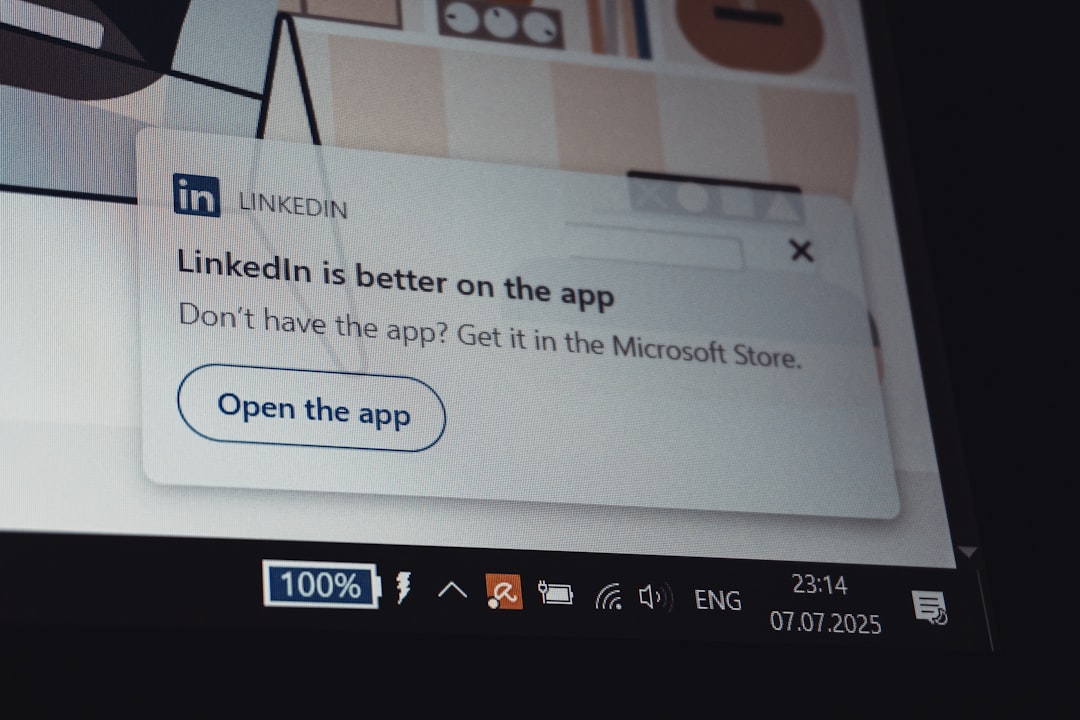
The 'Windows XP Error sound' is a nostalgic auditory artifact from a bygone era of computing. This distinct, somewhat jarring chime signaled a system error or alert on Windows XP operating systems. Its virality today stems from a blend of nostalgia, comedic timing, and its ability to instantly convey a sense of 'failure' or 'malfunction' in a humorous context. It's often paired with modern tech fails or ironic situations, creating a bridge between past and present digital experiences, much like the unexpected vocalizations in Peter Griffin: YOU STUPID NI or the general chaos of Ena - divestment.
Creators frequently use this error sound to punctuate moments of comedic failure, unexpected glitches, or ironic digital mishaps. Its immediate recognition triggers a shared understanding of frustration or a 'system breakdown,' making it highly effective in reaction videos, tech humor, or content where something goes hilariously wrong. The sound's simple yet effective design allows it to be dropped into almost any video for an instant comedic effect, often amplifying the absurdity of a situation with its classic, unmistakable tone. For a truly jarring effect, consider combining it with the surreal sound of kamehameha wave or the powerful impact of yell kungfu.
- \n
- Sync with a visual 'fail' or unexpected outcome. \n
- Use as a punchline for a tech-related joke. \n
- Layer over a video of a computer freezing or glitching. \n
- Combine with a dramatic zoom-in on a confused face. \n
A: It's the alert sound for system errors on the classic Windows XP operating system.
A: It's used for nostalgia, comedic timing, and to signify failure or malfunction humorously.
A: While possible, its strong comedic association makes it best suited for humorous or ironic contexts.
5. yell kungfu
About this sound
The 'yell kungfu' sound is a dynamic, energetic vocalization often associated with martial arts movies, video games, and action sequences. It's a powerful and expressive sound effect designed to convey speed, agility, and the force of a strike or movement. Its virality stems from its ability to instantly inject excitement and intensity into any action-oriented content, making mundane tasks feel epic or amplifying genuine athletic feats. It's a versatile sound effect that can be paired with other high-energy audio like Peter Griffin: YOU STUPID NI or even used to contrast with the unexpected, like Ena - divestment.
Creators use 'yell kungfu' to enhance action sequences, add comedic exaggeration to physical movements, or punctuate moments of sudden effort. It's highly effective in sports highlights, workout videos, or short-form comedy sketches where a character performs an over-the-top action. The sound's inherent energy immediately elevates the perceived intensity of the visual, making it a go-to for creators aiming to make their content more dynamic and engaging. Its clear, sharp delivery ensures it cuts through background noise. For an added layer of humor, try combining it with the classic meme sound of Windows XP Error sound (download) or the dramatic flair of kamehameha wave.
- \n
- Align with the impact of a punch or kick in a video. \n
- Use to exaggerate effort in a workout montage. \n
- Combine with fast-paced cuts for an action movie feel. \n
- Apply to a pet's playful pounce for comedic effect. \n
A: It's used to convey speed, agility, and force in action sequences, often martial arts-related.
A: By syncing it with physical actions, exaggerating movements, or adding intensity to sports content.
A: No, it's also widely used for comedic exaggeration in various types of videos.