لوحة الصوت الخاصة بك
 الرئيسية
 جديد
جديد Topics
 الشائع
 الأكثر شهرة
 أنمي ومانغا
 ألعاب
ألعاب ميمز
ميمز أفلام
أفلام موسيقى
 سياسة
سياسة مقالب
مقالب ردود الفعل
 تأثيرات صوتية
 رياضة
رياضة التلفاز
 اتجاهات تيك توك
 فيرال
فيرال ملفات صوتية واتساب
 شروط الاستخدام
 سياسة الخصوصية
 سياسة حقوق النشر DMCA
 اتصل بنا
 من نحن
Crafting Digital Narratives: The Art of Sound in Anime, Memes, and Beyond
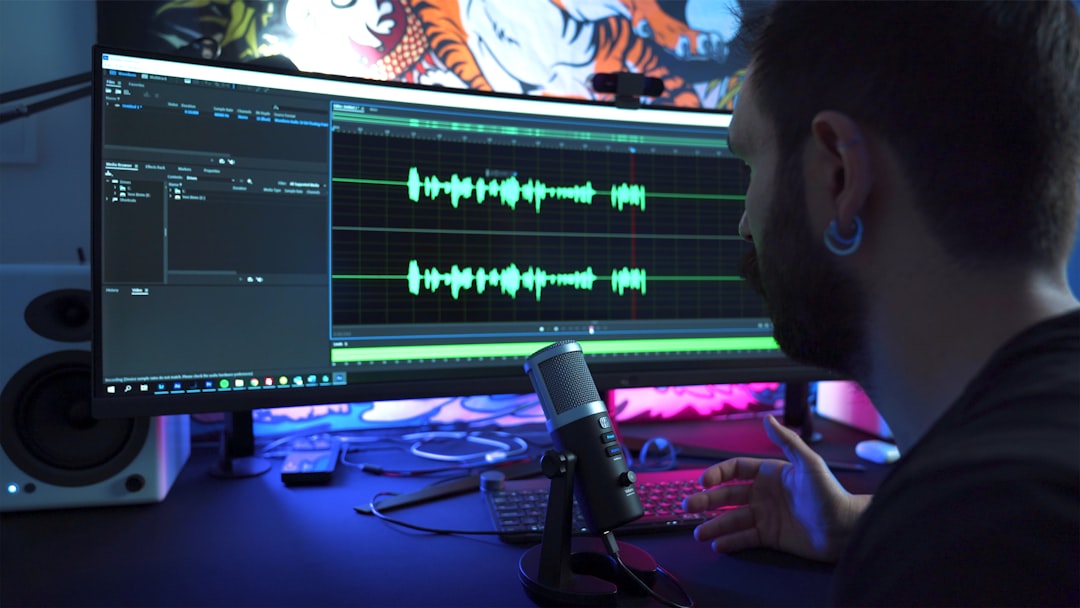
Unpack the strategic use of sound effects, anime clips, and meme audio to build engaging stories and trigger specific emotional responses in digital content.
In the dynamic landscape of digital storytelling, sound is a powerful, often underestimated, element that can make or break a piece of content. From the whimsical jingles that define playful moments to the dramatic vocalizations from beloved anime, and the impactful sound effects that punctuate meme humor, audio shapes viewer perception and drives engagement. This article explores five distinct sounds that highlight the strategic use of audio in crafting compelling digital narratives. Understanding how these sounds evoke specific emotions and cultural references is crucial for creators aiming to produce algorithm-optimized content that truly resonates with a global audience.
1. Tiki_tiki
About this sound
The Tiki_tiki sound is a playful, often rhythmic, and instantly recognizable sound effect that evokes a sense of lightheartedness, curiosity, or gentle mischief. Its origin is often associated with cartoon sound effects or simple, repetitive musical motifs, making it a versatile tool for creators. The sound's virality stems from its ability to add an immediate layer of whimsical charm or comedic punctuation to content, similar to the playful mischief of Wajajaja. It's a go-to for creators looking to inject a burst of innocent fun, highlight a small, curious detail, or add a bouncy rhythm to their videos, contrasting with the dramatic intensity of sounds like Re.Zero: Whoaaayeeeaaayaaai~.
Digital creators frequently deploy the Tiki_tiki sound to inject a sense of playful energy or charming simplicity into their content. It's ideal for short, animated clips, children's content, or as a subtle sound effect to highlight small, interesting details in a video. The sound works by its repetitive, catchy nature, instantly grabbing the viewer's attention and creating a lighthearted mood. Its brevity and clear emotional signal make it highly effective in short-form content, where quick, positive emotional hooks are essential. For creators looking to add a touch of whimsical fun or to amplify a moment of innocent curiosity, this sound is an invaluable asset. It ensures high engagement and shareability by eliciting smiles and a sense of playful wonder from the audience, much like the celebratory vibe of Festa Junina.
- Punctuate playful animations or character movements.
- Use as background for children's educational content.
- Integrate into short, lighthearted skits or transitions.
- Apply as a subtle sound effect to highlight curious details.
A: No, it's versatile for any lighthearted or whimsical content.
A: Rarely, its playful nature would likely undermine seriousness.
A: It generally evokes feelings of happiness, curiosity, and lightheartedness.
2. Anime 11l1
About this sound
The Anime 11l1 sound, often a short, distinctive vocalization or sound effect, is a staple in anime meme culture. Its virality stems from its ability to instantly evoke a specific emotion or scenario common in anime, such as surprise, embarrassment, or a comedic reaction. While the specific content of "Anime 11l1" might vary, these types of sounds are crucial for creators to tap into the vast and engaged anime fandom. It's a go-to for adding an authentic anime flair or a humorous reaction, similar to the dramatic vocalizations of Re.Zero: Whoaaayeeeaaayaaai~, but often with a lighter, more comedic touch. This sound is perfect for fan edits, reaction videos, or any content aiming to connect with anime enthusiasts, contrasting with the more generic sound effects like Tiki_tiki.
Digital creators frequently deploy the Anime 11l1 sound to inject an immediate sense of anime authenticity or a specific emotional reaction into their content. It's ideal for anime fan edits, reaction videos to new episodes, or comedic skits that parody anime tropes. The sound works by leveraging the audience's familiarity with anime sound design, instantly communicating a recognizable emotional state or narrative beat. Its brevity and distinct auditory signature make it highly effective in short-form content, where quick emotional hooks are essential. For creators looking to engage with the anime community or to add a touch of genre-specific humor, this sound is an invaluable asset. It ensures high engagement and shareability by fostering a sense of shared cultural understanding, much like the dramatic impact of where there is light.
- Punctuate anime fan edits for authentic reactions.
- Use in reaction videos to new anime episodes.
- Integrate into comedic skits parodying anime tropes.
- Apply as a sound effect for character emotions in animations.
A: While appreciated by fans, its emotional tone can be broadly understood.
A: Focus on sounds that convey clear, universal emotions or iconic moments.
A: Yes, by creating an immediate emotional connection and cultural resonance.
About this sound
The No Scary Puppet Attacking sound is a meme sound that typically features a dramatic or comedic vocalization, often implying a false alarm or a humorous subversion of a scary situation. Its virality stems from its ability to create a sense of anticipation for a scare, only to playfully deny it, or to humorously highlight a non-threatening situation. This sound is a go-to for creators looking to add a touch of ironic humor, build suspense with a comedic payoff, or subvert audience expectations, similar to the playful trickery of Wajajaja. It's a versatile sound effect that can instantly lighten the mood after a false scare or add a layer of self-aware humor, contrasting with the genuine alarm of sounds like Get Out Meme.
Digital creators frequently deploy the No Scary Puppet Attacking sound to inject a sense of ironic humor or comedic relief into their content. It's ideal for videos that build up suspense only to reveal something harmless, reaction videos to mild scares, or skits that playfully mock horror tropes. The sound works by leveraging the audience's expectation of a scare and then humorously subverting it, creating a memorable and often laugh-inducing experience. Its brevity and clear comedic intent make it highly effective in short-form content, where quick, unexpected twists are crucial for engagement. For creators looking to add a touch of self-aware humor or to amplify a moment of playful subversion, this sound is an invaluable asset. It ensures high engagement and shareability by eliciting smiles and a sense of cleverness from the audience, much like the subtle wit of Myst - Atrus Fool Are You.
- Punctuate false scares or suspenseful build-ups.
- Use in reaction videos to mild or anticipated scares.
- Integrate into comedic skits mocking horror tropes.
- Apply as a humorous sound effect for non-threatening reveals.
A: No, its purpose is to subvert fear with humor.
A: Yes, to build initial tension before the comedic subversion.
A: It intentionally misleads expectations for a humorous payoff.
About this sound
The where there is light sound, likely an impactful vocalization or musical motif from an anime, carries a strong sense of hope, revelation, or dramatic turning point. Its virality stems from its ability to instantly evoke powerful emotions and signify a moment of clarity or triumph, often after a period of struggle. This sound is a go-to for creators looking to add a layer of profound emotion, build a sense of epic scale, or punctuate a moment of significant narrative development, similar to the emotional weight of Re.Zero: Whoaaayeeeaaayaaai~. It's a powerful tool for elevating content and creating a lasting emotional impression, contrasting with the more chaotic energy of sounds like AAAAAAAAAAAaaaaaaaaaaaaaaaaaaaaaaaaaaaaaaaaaa.
Digital creators frequently deploy the where there is light sound to inject a sense of profound emotion, hope, or dramatic resolution into their content. It's ideal for anime fan edits that highlight pivotal moments, inspirational montages, or any narrative where a character experiences a breakthrough or a moment of enlightenment. The sound works by its inherent emotional resonance and often uplifting quality, instantly drawing viewers into the narrative's emotional core. Its powerful delivery and evocative nature make it highly effective in short-form content, where strong emotional hooks are essential for engagement. For creators looking to add a touch of epic drama or to amplify a moment of inspirational revelation, this sound is an invaluable asset. It ensures high engagement and shareability by tapping into universal themes of hope and triumph, much like the celebratory vibe of OHHH YEAHHHH.
- Punctuate anime fan edits for emotional climaxes.
- Use in inspirational montages or motivational content.
- Integrate into narratives for moments of revelation.
- Apply as a sound effect for dramatic character breakthroughs.
A: No, its emotional impact is universal and can be used in various inspirational contexts.
A: Pair it with strong visuals and a build-up of tension before the sound.
A: Yes, it can be layered over orchestral or uplifting music for greater effect.
About this sound
The Bonk Nun Attacking sound is a meme sound typically featuring a humorous, often exaggerated, "bonk" sound effect combined with an unexpected or comical vocalization, implying an attack from a "nun" character. Its virality stems from its absurd premise and its ability to deliver a sudden, surprising, and often slapstick comedic moment. This sound is a go-to for creators looking to add a touch of whimsical violence, unexpected humor, or to punctuate a moment of playful discipline, similar to the abruptness of Tracksuit Mark (EDITED!). It's a versatile sound effect that can instantly create a laugh or add an element of the unexpected, contrasting with the more subtle emotional cues of sounds like Myst - Atrus Fool Are You.
Digital creators frequently deploy the Bonk Nun Attacking sound to inject a sense of absurd humor or unexpected sound design into their videos. It's ideal for comedic skits involving playful discipline, reaction videos to silly content, or as a punchline to a moment of unexpected, harmless aggression. The sound works by its inherent absurdity and the unexpected combination of elements, instantly grabbing the viewer's attention and eliciting a laugh. Its brevity and distinct auditory signature make it highly effective in short-form content, where quick, unexpected twists are crucial for engagement. For creators looking to add a touch of quirky, slapstick humor or to amplify a moment of playful chaos, this sound is an invaluable asset. It ensures high engagement and shareability by standing out from typical meme sounds, much like the unique cultural rhythm of زيج عراقي اصيل.
- Punctuate comedic physical gags or slapstick.
- Use in reaction videos to silly or unexpected content.
- Integrate into skits involving playful discipline.
- Apply as a humorous sound effect for sudden, harmless attacks.
A: It's generally used for lighthearted, absurd humor, not intended to be offensive.
A: No, its inherent absurdity makes it unsuitable for serious themes.
A: Through the unexpected combination of a "bonk" with a "nun attacking" scenario.