لوحة الصوت الخاصة بك
 الرئيسية
 جديد
جديد Topics
 الشائع
 الأكثر شهرة
 أنمي ومانغا
 ألعاب
ألعاب ميمز
ميمز أفلام
أفلام موسيقى
 سياسة
سياسة مقالب
مقالب ردود الفعل
 تأثيرات صوتية
 رياضة
رياضة التلفاز
 اتجاهات تيك توك
 فيرال
فيرال ملفات صوتية واتساب
 شروط الاستخدام
 سياسة الخصوصية
 سياسة حقوق النشر DMCA
 اتصل بنا
 من نحن
Beyond the Beat: Music and Voice Memes That Dominate Feeds
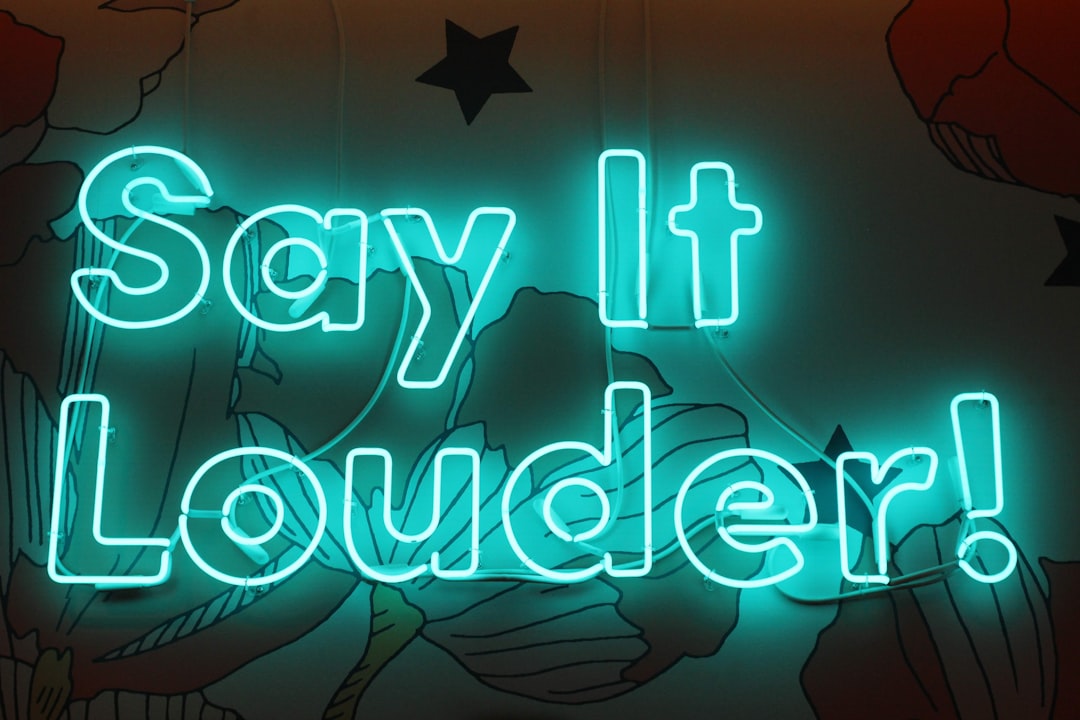
Discover how musical snippets and iconic vocalizations transcend their original contexts to become viral meme sounds, driving engagement and shaping digital trends.
Music and vocalizations are more than just background elements in digital content; they are often the very fabric of viral memes. From catchy instrumental loops to unforgettable spoken phrases, these audio snippets transcend their original contexts to become cultural touchstones, driving engagement and shaping online trends. This article explores five such sounds, dissecting their musicality, their meme potential, and offering insights for creators on how to harness their power to captivate audiences. Understanding the role of meme audio analysis in identifying viral musical patterns is key to crafting compelling content.
These sounds demonstrate how a simple beat or a distinctive voice can become a powerful tool for communication and connection in the digital age. We'll analyze how these snippets contribute to TikTok / Reels engagement psychology, fostering creativity and inspiring countless remixes and interpretations. Get ready to explore the fascinating intersection of music, voice, and viral meme culture.
About this sound
The sound "рваные джинсы" (which translates to "torn jeans") is a musical snippet that has gained viral traction, often associated with a specific song or cultural trend. Its virality stems from its catchy melody or distinctive vocal delivery, making it instantly recognizable and highly shareable. This sound is frequently used to punctuate moments of fashion commentary, nostalgic throwbacks, or simply to add a cool, rhythmic backdrop to a video. It taps into a shared appreciation for music and the power of a memorable hook, making it relatable across diverse audiences. This sound shares a thematic link with other musical memes, such as the iconic vocal sample in "Women saying Flashing Lights", both serving to evoke a specific musical or cultural era. It's a prime example of how musical snippets become powerful elements in meme sound culture.
Creators deploy "рваные джинсы" to inject immediate musicality, comedic rhythm, or a nostalgic vibe into their videos. It's perfect for marking transitions between different segments, highlighting a fashion statement, or simply adding a cool, understated beat to a montage. The sound's distinct character makes it instantly recognizable and evokes a sense of playful style. Its effectiveness is amplified when paired with visuals that either match its musical vibe or comically contrast it, creating an unexpected humorous effect. It's a versatile sound for creators looking to add a layer of dynamic, often stylish, humor to their content, similar to how the dramatic vocalization in "Xo não se mete aqui não que eu te arrebento" can create an immediate, strong reaction.
- Apply to fashion haul videos or outfit transitions.
- Integrate into nostalgic montages or throwback content.
- Use as background music for vlogs or creative shorts.
- Layer over a visual of someone confidently walking or posing.
A: No, its musicality and catchy nature give it broader appeal beyond linguistic barriers.
A: Combine it with unique visual contexts or unexpected comedic setups to keep the audience engaged.
A: Fashion content, nostalgic videos, and rhythmic transitions.
About this sound
The "Women saying Flashing Lights" sound is a recognizable vocal sample from Kanye West's iconic song "Flashing Lights." Its virality stems from the song's widespread popularity and the distinct, almost ethereal, quality of the vocal snippet. This sound is frequently used to punctuate moments of dramatic reveal, stylish transitions, or simply to add a touch of sophisticated, atmospheric flair to a video. It taps into a shared appreciation for music and the power of a memorable vocal hook, making it relatable across diverse audiences. This sound shares a thematic link with other iconic vocal memes, such as the powerful declaration from "館長", both serving to evoke a specific cultural or musical era. It's a prime example of how vocal samples become powerful elements in soundboard culture.
Creators deploy "Women saying Flashing Lights" to inject immediate musicality, dramatic anticipation, or a stylish vibe into their videos. It's perfect for marking transitions between different segments, highlighting a glamorous reveal, or simply adding a cool, atmospheric element to a montage. The sound's distinct character makes it instantly recognizable and evokes a sense of sophisticated cool. Its effectiveness is amplified when paired with visuals that either match its musical vibe or comically contrast it, creating an unexpected humorous effect. It's a versatile sound for creators looking to add a layer of dynamic, often stylish, humor to their content, similar to how the subtle sound of "เสียงลิฟต์" can create an immediate, recognizable auditory cue.
- Apply to fashion show clips or stylish outfit reveals.
- Integrate into cinematic transitions in vlogs or short films.
- Use as background music for urban exploration content.
- Layer over a visual of flashing lights or a dramatic cityscape.
A: No, its iconic status also allows for ironic or comedic usage, playing on its dramatic flair.
A: Always check licensing for commercial use. For personal meme content, fair use often applies, but it's good to be aware.
A: Fashion, cinematic vlogs, dramatic reveals, and stylish transitions.
3. 館長
About this sound
The sound "館長" (Guǎnzhǎng), which translates to "Curator" or "Director," is a vocal meme often associated with a prominent Taiwanese internet personality known for his outspoken nature and fitness brand. Its virality stems from his distinctive voice, passionate delivery, and often humorous or intense pronouncements. This sound is frequently used to punctuate moments of strong opinion, comedic rants, or simply to add a powerful, recognizable vocal presence to a video. It taps into a shared understanding of internet personalities and the power of a memorable voice, making it relatable across diverse audiences, especially in East Asian meme culture. This sound shares a thematic link with other impactful vocal memes, such as the dramatic declaration from "Xo não se mete aqui não que eu te arrebento", both serving to convey a strong, immediate sentiment. It's a prime example of how unique vocalizations become powerful elements in algorithm-optimized editorial writing by leveraging celebrity.
Creators deploy "館長" to inject immediate authority, comedic intensity, or a strong opinion into their videos. It's perfect for marking moments of dramatic pronouncements, highlighting a character's conviction, or simply adding a powerful, recognizable vocal element to a montage. The sound's distinct character makes it instantly recognizable and evokes a sense of playful seriousness. Its effectiveness is amplified when paired with visuals that either match its intense vibe or comically contrast it, creating an unexpected humorous effect. It's a versatile sound for creators looking to add a layer of dynamic, often opinionated, humor to their content, similar to how the subtle sound of "เสียงลิฟต์" can create an immediate, recognizable auditory cue.
- Apply to clips of characters making strong declarations.
- Integrate into comedic skits involving debates or arguments.
- Use in reaction videos for moments of genuine conviction.
- Layer over a visual of someone delivering an impactful speech.
A: While originating there, its use as a general strong vocal reaction has broadened its appeal.
A: Focus on the comedic exaggeration of the delivery, rather than misrepresenting the original speaker's intent.
A: Opinion pieces, comedic rants, and videos requiring a strong vocal presence.
4. เสียงลิฟต์
About this sound
The sound "เสียงลิฟต์" (siang lift), which translates from Thai to "elevator sound," is a subtle yet effective audio meme that often features the gentle ding or ambient hum of an elevator. Its virality stems from its ability to instantly set a mood of transition, anticipation, or even comedic awkwardness. This sound is frequently used to punctuate moments of arrival, departure, or simply to add a touch of understated atmosphere to a video. It taps into a universal understanding of elevators as spaces of transition and quiet expectation, making it relatable across diverse audiences. This sound shares a thematic link with other subtle atmospheric sounds, such as the rhythmic musicality of "рваные джинсы", both serving to evoke a specific mood or setting. It's a prime example of how ambient sound effects become powerful elements in soundboard culture.
Creators deploy "เสียงลิฟต์" to inject immediate atmosphere, comedic transition, or a subtle sense of anticipation into their videos. It's perfect for marking transitions between different scenes, highlighting a character's arrival or departure, or simply adding a touch of understated elegance to a montage. The sound's distinct character makes it instantly recognizable and evokes a sense of playful formality. Its effectiveness is amplified when paired with visuals that either match its transitional vibe or comically contrast it, creating an unexpected humorous effect. It's a versatile sound for creators looking to add a layer of dynamic, often subtle, humor to their content, similar to how the dramatic vocalization in "Women saying Flashing Lights" can create an immediate, strong reaction.
- Apply to video transitions for a smooth, atmospheric shift.
- Integrate into vlogs when moving between different locations.
- Use in comedic skits involving awkward encounters in elevators.
- Layer over a visual of a character entering or exiting a building.
A: No, the universal nature of an elevator sound makes it understandable across all languages.
A: Pair it with a visually strong transition or a clear narrative purpose to ensure it's noticed.
A: Transitions, atmospheric videos, and comedic skits involving travel or movement.
About this sound
The sound "Xo não se mete aqui não que eu te arrebento" (which translates from Portuguese to "Don't mess with me here, or I'll break you") is a powerful and often comically aggressive vocal meme. Its virality stems from its direct, confrontational tone and its ability to instantly inject drama, warning, or playful menace into a scene. This sound is frequently used to punctuate moments of defiance, comedic threats, or simply to add a strong, recognizable vocal presence to a video. It taps into a universal understanding of confrontation and the power of a memorable vocal delivery, making it relatable across diverse audiences. This sound shares a thematic link with other impactful vocal memes, such as the authoritative declaration from "館長", both serving to convey a strong, immediate sentiment. It's a prime example of how unique vocalizations become powerful elements in viral audio editing patterns.
Creators deploy "Xo não se mete aqui não que eu te arrebento" to inject immediate drama, comedic aggression, or a strong warning into their videos. It's perfect for marking moments of defiance, highlighting a character's resolve, or simply adding a powerful, recognizable vocal element to a montage. The sound's distinct character makes it instantly recognizable and evokes a sense of playful seriousness. Its effectiveness is amplified when paired with visuals that either match its intense vibe or comically contrast it, creating an unexpected humorous effect. It's a versatile sound for creators looking to add a layer of dynamic, often confrontational, humor to their content, similar to how the rhythmic musicality of "рваные джинсы" can create an immediate, strong reaction.
- Apply to clips of characters issuing warnings in games.
- Integrate into comedic skits involving confrontations or threats.
- Use in reaction videos for moments of genuine defiance.
- Layer over a visual of someone standing their ground.
A: No, it's frequently used for comedic effect, playing on the drama of a threat in a lighthearted way.
A: The visual context and the exaggerated delivery will convey the humor, even if the words aren't understood.
A: Action-comedy, confrontational skits, and videos that aim for playful drama.