لوحة الصوت الخاصة بك
 الرئيسية
 جديد
جديد Topics
 الشائع
 الأكثر شهرة
 أنمي ومانغا
 ألعاب
ألعاب ميمز
ميمز أفلام
أفلام موسيقى
 سياسة
سياسة مقالب
مقالب ردود الفعل
 تأثيرات صوتية
 رياضة
رياضة التلفاز
 اتجاهات تيك توك
 فيرال
فيرال ملفات صوتية واتساب
 شروط الاستخدام
 سياسة الخصوصية
 سياسة حقوق النشر DMCA
 اتصل بنا
 من نحن
The Art of the Reaction Sound: Mastering Digital Expressions
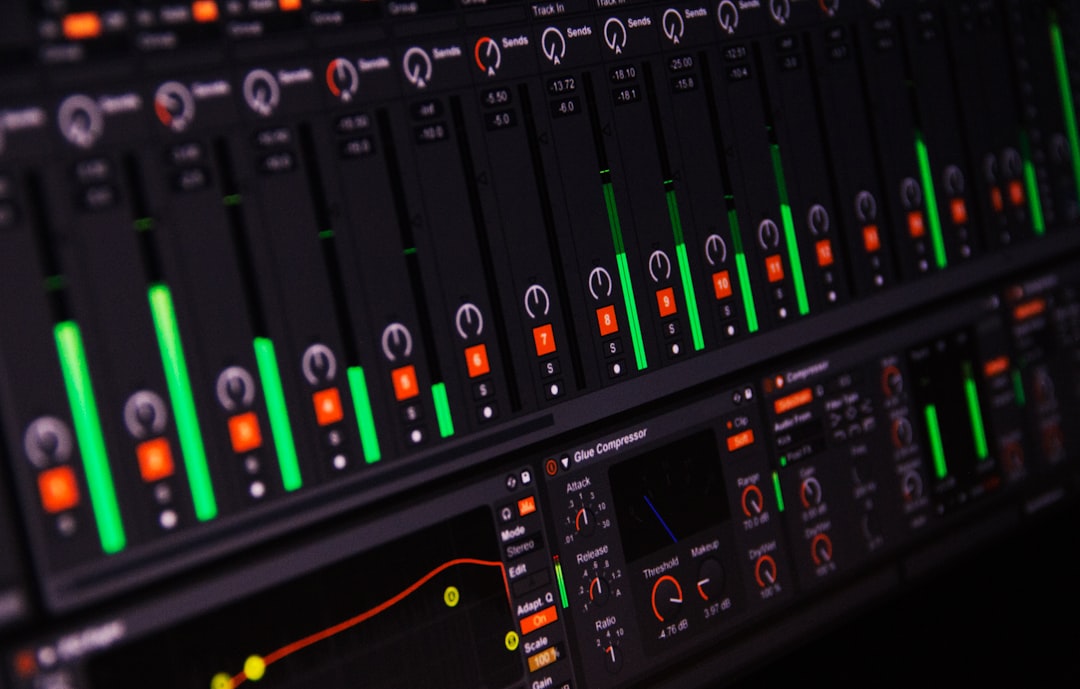
Dive into the psychology of viral reaction sounds, exploring how creators leverage audio cues like the 'Eww Brother Eww' and 'Laughing Dog Meme' to amplify comedic timing and audience engagement across platforms. This article breaks down the cultural impact and practical application of these essential meme sounds.
In the fast-paced world of digital content, a well-timed reaction sound can be the difference between a scroll and a share. These auditory cues are more than just background noise; they are powerful tools that tap into universal human emotions, instantly communicating disgust, amusement, or a sense of dramatic finality. From the visceral cringe of an 'Eww Brother Eww' to the triumphant absurdity of a 'Toasty' call, understanding the nuanced application of reaction sounds is crucial for any strategist aiming for viral success. This article dissects five iconic reaction sounds, offering insights into their cultural resonance and practical advice for integrating them into your next algorithm-optimized masterpiece.
About this sound
The Eww brother eww soundbite originates from a viral video featuring a disgusted reaction, perfectly encapsulating a feeling of revulsion or extreme discomfort. Its raw, unadulterated expression has made it a staple in meme culture, often used to punctuate moments of cringe, awkwardness, or gross-out humor. It’s a versatile sound that transcends language barriers, much like the universal appeal of the Laughing dog meme, by instantly conveying a strong, relatable emotion. Creators often pair it with visual gags or unexpected reveals to maximize comedic impact, solidifying its place as a go-to for expressing digital disdain.
This sound works by creating an immediate, visceral reaction in the viewer, mirroring their own potential discomfort or amusement. Digital creators deploy Eww brother eww to highlight anything from questionable fashion choices to bizarre food combinations, or even to mock a particularly bad take in online discourse. Its abrupt nature makes it ideal for jump cuts and quick transitions, ensuring that the comedic beat lands precisely. It’s a powerful tool for emphasizing a moment of collective cringe, much like how the Extremely loud incorrect buzzer signals a definitive wrong answer, making it a high-retention element in short-form video content.
- Sync with a visual reveal of something unappealing.
- Use as a punchline for a build-up of awkwardness.
- Combine with a sudden camera shake for emphasis.
- Apply a low-pass filter to simulate a muffled, internal reaction.
A: It's from a viral video of a person reacting with intense disgust.
A: Pair it with an unexpected visual or a deadpan delivery from a character.
A: Absolutely, its raw emotionality keeps it evergreen for reaction content.
About this sound
The Laughing dog meme sound features a distinct, almost human-like canine chuckle that has become synonymous with mocking or ironic amusement. Its origin lies in various viral videos showcasing dogs exhibiting peculiar, often humorous, behaviors. This sound is a masterclass in anthropomorphism, allowing creators to imbue animals or even inanimate objects with a sense of mischievous glee. It's often deployed when a situation goes hilariously wrong for someone else, or to highlight a moment of pure, unadulterated schadenfreude. Its lighthearted yet pointed tone makes it a perfect counterpart to the more aggressive T-Rex Roar when signaling a less threatening form of dominance.
Creators utilize the Laughing dog meme to add a layer of playful mockery to their content. It's particularly effective in situations where a character or subject is experiencing a minor setback or an embarrassing moment, and the sound acts as the audience's internal chuckle made audible. This sound thrives in compilation videos, reaction content, and short comedic skits on platforms like TikTok and Reels. Its infectious nature ensures high retention, drawing viewers into the joke. It functions similarly to the Mii Channel Music in its ability to set a distinct, often ironic, mood for a scene.
- Overlay on a video of someone failing humorously.
- Use to emphasize an ironic or sarcastic comment.
- Combine with a quick, subtle camera shake on the 'laugh' beat.
- Loop briefly for extended, exaggerated mockery.
A: Perfect for mocking fails or ironic amusement in videos.
A: Generally, yes, it's lighthearted and widely understood as comedic.
A: Absolutely, it adds a humorous, relatable touch to animal content.
About this sound
The Extremely loud incorrect buzzer is a harsh, unmistakable sound that instantly signals a definitive wrong answer or a colossal failure. Its aggressive, attention-grabbing nature makes it a powerful tool for comedic emphasis, often used to punctuate moments of poor judgment, embarrassing revelations, or outright blunders. This sound has become a meme in its own right, frequently appearing in quiz show parodies, reaction videos, and content where creators want to brutally highlight a mistake. It shares a similar function with the dramatic tension created by the Prowler Sound Effect, but instead of threat, it conveys immediate, undeniable error.
Digital creators leverage the Extremely loud incorrect buzzer to deliver an immediate, undeniable comedic blow. It's particularly effective when a character confidently presents a wrong answer or makes a glaring error, and the buzzer serves as the ultimate, unforgiving judge. This sound is a staple in 'fail' compilations and 'expectation vs. reality' content, providing a clear auditory signal that something has gone terribly awry. Its abruptness and high volume are key to its viral appeal, ensuring that the audience feels the impact of the 'incorrect' moment. It's a sound designed for instant recognition and high engagement, much like the quick comedic hit of Toasty mortal kombat.
- Synchronize with a visual 'fail' or wrong answer.
- Use to emphasize a moment of bad decision-making.
- Apply a quick, sharp echo effect for dramatic flair.
- Pair with a red overlay or 'FAIL' text graphic.
A: As loud as possible without clipping, to maximize comedic impact.
A: While primarily comedic, it can signal serious errors in educational content.
A: Not typically, its 'extreme loudness' is part of its meme identity.
About this sound
The iconic Toasty mortal kombat shout is a legendary Easter egg from the classic fighting game series. Originally a rare occurrence during specific uppercut moves, the disembodied voice exclaiming "Toasty!" became a cult phenomenon, symbolizing a moment of unexpected triumph or a perfectly executed maneuver. In meme culture, it has evolved into a versatile reaction sound used to punctuate sudden, surprising, or exceptionally cool moments. Its unexpected nature and nostalgic appeal make it instantly recognizable and highly engaging, often used in conjunction with other gaming-related sounds like Pixel gun 3d low health and out of ammo to create a cohesive gaming aesthetic.
Creators deploy the Toasty mortal kombat sound to add a layer of retro gaming flair and unexpected humor to their content. It's particularly effective when a character achieves a surprising victory, makes an impressive play, or when an unexpected element appears on screen. The sound's abruptness and the nostalgic weight it carries make it a powerful tool for capturing attention and generating shares. It works by creating a moment of shared recognition and delight among viewers, especially those familiar with its gaming origins. Its ability to instantly elevate a moment makes it a high-retention sound, much like the dramatic build-up of the Main Station Scene sound.
- Trigger on a sudden, impressive action or reveal.
- Combine with a quick, impactful screen flash.
- Use for ironic victories or unexpected plot twists.
- Add a subtle reverb to make it sound like it's from 'above'.
A: Sparingly, to maintain its impact and surprise factor.
A: No, its use has expanded to any surprising or triumphant moment.
A: It's rumored to be sound designer Dan Forden.
About this sound
The classic Phone Ringing sound effect, specifically an older, analog ring, has transcended its original purpose to become a potent meme sound for signaling interruption, impending chaos, or an unexpected call to action. Its familiar yet often jarring nature makes it perfect for breaking the flow of content, creating a sense of urgency or an awkward pause. In digital culture, it's frequently used to introduce a new, often unwelcome, element into a scene or to highlight a character's distraction. It works similarly to the way Despierto can signal a sudden awakening or shift in attention, but with a more direct, narrative-driving purpose.
Creators employ the Phone Ringing sound to disrupt expectations and inject a moment of relatable, everyday chaos into their narratives. It's highly effective in comedic sketches where a serious moment is undercut by a mundane interruption, or in suspenseful edits where a phone call signals a pivotal plot development. The sound's universality ensures instant recognition across diverse audiences, making it a reliable tool for engagement. It creates a sense of anticipation, prompting viewers to wonder who is calling and what drama will unfold. This makes it a high-retention sound, often paired with visual cues like a character checking their pocket or glancing at a screen, much like the way FNAF JJ HELLO signals an unexpected presence.
- Introduce a sudden, unexpected plot point.
- Create an awkward silence or comedic interruption.
- Signal a character's distraction or impending task.
- Use a quick fade-in/fade-out for a brief, impactful ring.
A: Yes, but the classic analog ring is most universally recognized for meme use.
A: Typically short, just enough to establish the interruption or call.
A: Absolutely, it can build tension effectively, especially if the call is mysterious.