إعلان

Пусть ещё он извинится

٨٦١ المشاهدات ٦٤ أعجب المستخدمون

محتوى تم إنشاؤه بمساعدة الذكاء الاصطناعي

الكلمات الرئيسية ذات الصلة

محتوى تم إنشاؤه بمساعدة الذكاء الاصطناعي

حول هذا الصوت

محتوى تم إنشاؤه بمساعدة الذكاء الاصطناعي

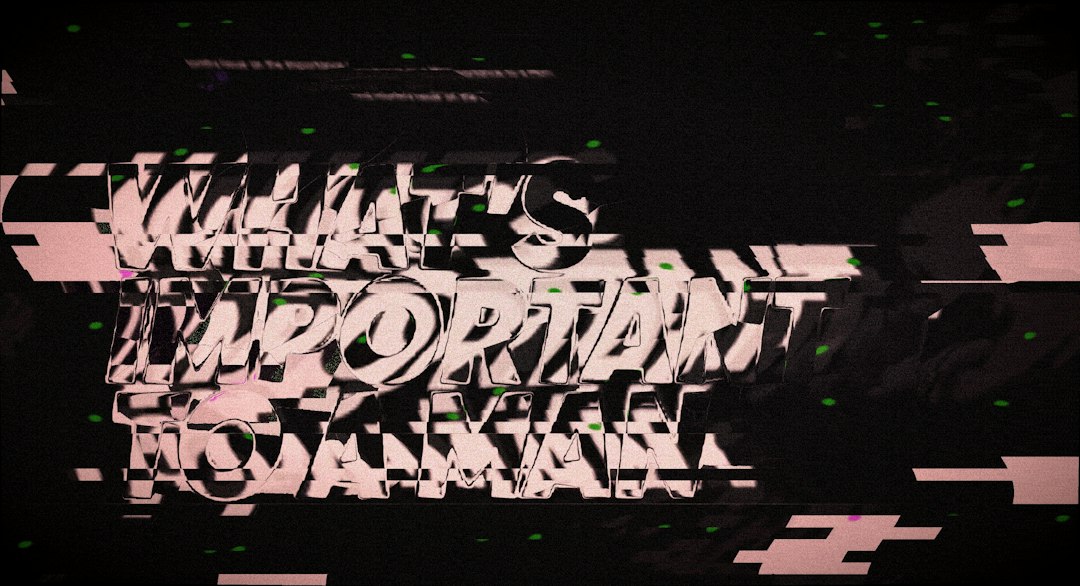
Russian voice clip of a man insisting someone should apologize too, used as a demanding meme reaction for arguments, callouts and funny confrontations.

This is a short Russian spoken line delivered with firm, slightly indignant insistence, as if the speaker is not letting an argument end without an apology from the other side as well. The voice is clear and close, with the demand landing in just over two seconds and no music or background noise to soften it. That blunt, tit for tat tone is what makes it funny out of context, turning a serious sounding complaint into a petty comeback that viewers instantly understand, even when they do not speak Russian fluently at all.

The phrase itself is in Russian and translates roughly to let him apologize too, which explains why it circulates mainly as a reaction clip rather than a standalone joke. It is shared on soundboards and in short videos by Russian speaking users, then picked up by wider meme audiences who read the tone more than the words. Because the delivery sounds so certain, editors reuse it whenever a clip needs a final demand for fairness, revenge or equal blame, long after the original context has been lost online completely today.

نصيحة احترافية للاستخدام

محتوى تم إنشاؤه بمساعدة الذكاء الاصطناعي

Drop it right after someone else apologizes on screen, with no fade and a half second of silence before it. Keep the original volume punchy, do not add music underneath, and cut away immediately after the line ends for maximum petty effect.

حالات الاستخدام

محتوى تم إنشاؤه بمساعدة الذكاء الاصطناعي

  • After a friend apologizes, demand one from someone else
  • Reacting to drama where both sides were wrong
  • Punctuating gaming arguments when a teammate blames you
  • Adding a petty comeback to TikTok argument skits

الأسئلة الشائعة

محتوى تم إنشاؤه بمساعدة الذكاء الاصطناعي

What does Pust Eshchio On Izvinitsia mean in English?
It translates roughly to let him apologize too or he should apologize as well. The speaker is not apologizing himself, but demanding that another person involved in the argument also say sorry, which is why the clip works as a petty reaction sound.
Where is this sound from?
The exact original source is not clearly documented, and the clip mainly circulates as a short Russian meme audio on soundboards and in edited videos. Its popularity comes from the firm delivery, not from a widely identified film or show scene.
How do people use it in videos?
Creators place it at the end of an argument, apology or callout clip, usually right after someone else has said sorry. The sudden demand for another apology turns the moment into a joke about fairness, grudges and refusing to let things go.

ارفع أصواتك الخاصة جديد

لديك مقطع مضحك؟ ارفع ملف MP3 من تطبيق SoundInstants. بعد الموافقة عليه يمكن للجميع تشغيله.

ارفع من التطبيق
إعلان

أصوات ذات صلة

الأكثر شهرة

عرض الكل
إعلان